Bangladesh is home to one of the most prized fish in the world. The hilsa, known locally as ilish, is more than a seafood delicacy. It is a cultural symbol, an economic driver, and a fisheries success story that researchers and trade experts continue to study closely.
So why does hilsa matter so much to Bangladesh’s economy? And what does the future of hilsa fish export actually look like? This article breaks it all down, from the fishing zones and production data to the government policies shaping the industry, the export markets driving demand, and the sustainability challenges that could define hilsa’s future.
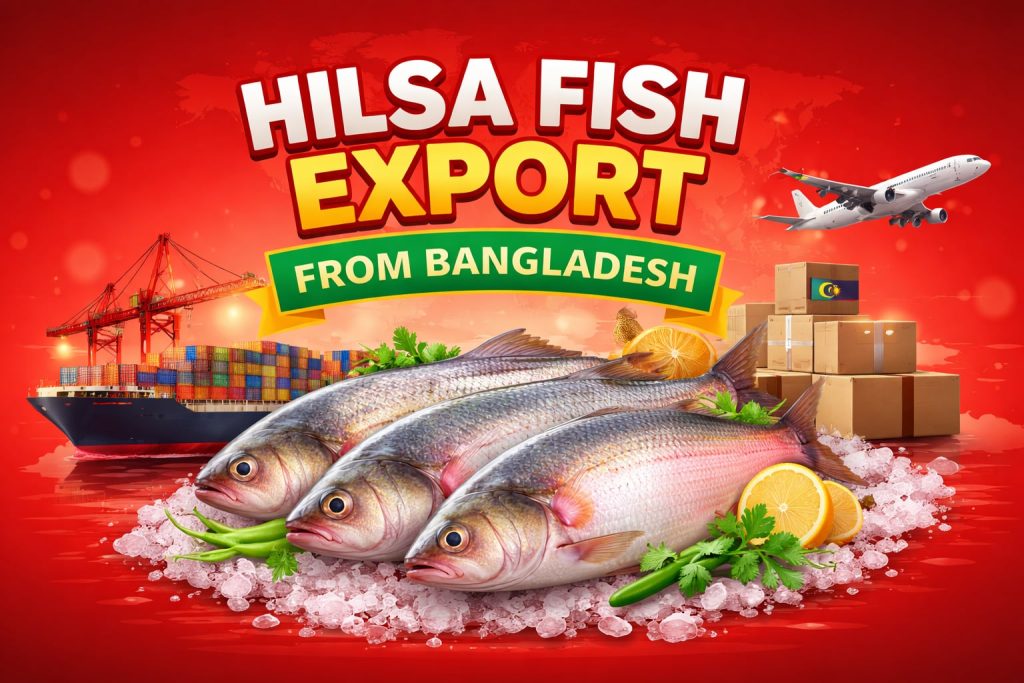
Whether you are a trade analyst, an importer, or simply curious about one of South Asia’s most significant fisheries, here is everything you need to know.
Why Hilsa Is So Important to Bangladesh
Hilsa (Tenualosa ilisha) is not just any fish. It accounts for roughly 12% of Bangladesh’s total fish production and contributes about 1% of the country’s GDP, according to the Department of Fisheries, Bangladesh. More than 500,000 fishermen depend on hilsa fishing as their primary source of income, and millions more are involved in processing, trading, and transporting it.
The fish holds deep cultural significance too. It is the national fish of Bangladesh, celebrated in poetry, music, and cuisine. During festivals like Pohela Boishakh (Bengali New Year), hilsa is practically a required dish on the table. That cultural weight translates directly into domestic and international demand, particularly among the Bengali diaspora living in India, the Middle East, the United Kingdom, and North America.
Bangladesh is also the world’s largest producer of hilsa, contributing approximately 80 to 86% of the global hilsa catch, with the remainder coming from Myanmar, India, and a few other countries in the region.
Where Is Hilsa Caught? Key Production Regions
Hilsa is an anadromous fish, which means it travels from saltwater to freshwater rivers to lay its eggs. This unique migration journey makes certain rivers and coastal areas essential for the survival of the hilsa population.
Major Fishing Zones in Bangladesh
- Meghna River and Estuary: The most productive hilsa zone in the country. The Meghna contributes a significant share of the national catch due to its broad estuarine system.
- Padma River: Famous for producing what many consider the highest-quality hilsa, with a rich fat content that gives it a distinctive flavor.
- Karnaphuli River: Located near Chittagong, this river is another significant source of hilsa catch and is closely connected to the country’s main fish processing and export infrastructure.
- Coastal Districts: Bhola, Chandpur, Barisal, Patuakhali, and Noakhali are among the most productive districts for hilsa fishing.
The Bay of Bengal also plays a central role. As hilsa migrate between marine and freshwater environments, coastal fishing in the Bay forms the backbone of large-scale commercial catch.
Hilsa Fish Export from Bangladesh: Markets and Trade Data
Bangladesh’s hilsa exports are a major source of foreign income. The fish is primarily exported in three forms: fresh, chilled, and frozen. Due to its superior taste and texture, fresh hilsa commands the highest prices in international markets, making it a premium product. This trade is vital to Bangladesh’s economy, linking local fishing communities to global consumers who eagerly await this prized delicacy.
Top Export Destinations
India is by far the largest importer of Bangladeshi hilsa, driven by enormous demand in West Bengal, where hilsa is deeply embedded in cultural traditions. During key festivals, Indian authorities have occasionally requested Bangladesh to relax export bans temporarily to meet domestic demand, highlighting just how dependent the Indian market is on Bangladeshi supply.
Other notable export markets include:
- United Arab Emirates and Saudi Arabia: Large Bengali expatriate communities drive strong demand for frozen hilsa in Gulf countries.
- United Kingdom and United States: The Bengali diaspora in cities like London, New York, and Washington D.C. supports a growing niche market for premium hilsa.
- Malaysia and Singapore: Smaller but growing markets with South Asian populations.
Export Volume and Value
Bangladesh exports vary from year to year due to catch fluctuations, government restrictions, and seasonal factors. In recent years, annual hilsa exports have ranged from approximately 3,000 to 7,000 metric tons, generating tens of millions of dollars in foreign exchange. During years when fishing bans are lifted or catches are especially high, export volumes climb significantly.
It is worth noting that Bangladesh has historically restricted hilsa exports during peak domestic consumption periods, such as around Bengali New Year, to keep domestic prices stable. These restrictions directly affect export volumes and are a recurring point of tension between trade interests and domestic food security concerns.
Government Policies on Hilsa Fisheries and Export
The government of Bangladesh actively manages its hilsa fisheries through policies that seek to balance the economic advantages of exporting with the imperatives of conservation and maintaining a consistent domestic food supply.
Conservation Measures
The government introduced a series of protective regulations starting in the early 2000s, which have had measurable results on hilsa populations:
- 22-day annual fishing ban: Every year during the hilsa spawning season (typically October), fishing is banned for 22 days in designated river and coastal areas. This allows juvenile hilsa to mature.
- Jatka protection: “Jatka” refers to juvenile hilsa (under 25 cm). Catching, selling, and transporting jatka is prohibited, and the government provides food assistance to affected fishermen during the ban period.
- Marine fishing restrictions: Seasonal bans on marine fishing in the Bay of Bengal also apply, giving hilsa populations time to recover.
These policies have had a visible impact. According to the Department of Fisheries, Bangladesh’s hilsa production rose from around 2.99 lakh metric tons in 2008 to over 5.5 lakh metric tons in more recent years, representing a significant recovery.
Export Policies and Trade Regulations
The government has used export permissions strategically. Bangladesh has sometimes exported hilsa to India as a diplomatic gesture during periods of bilateral goodwill, which underlines the geopolitical dimension of hilsa trade. Export quotas are managed through the Ministry of Fisheries and Livestock and the Export Promotion Bureau, and exporters must meet quality and food safety certifications to access regulated markets.
Challenges Facing the Hilsa Export Industry
Despite impressive growth in production, the hilsa export industry grapples with several structural challenges. These issues prevent the sector from reaching its full potential and ensuring long-term sustainability.
Overfishing and Illegal Catches
Despite government bans, illegal fishing during restricted periods remains a persistent problem. Weak enforcement in remote river areas and economic desperation among fishermen contribute to violations that undermine conservation progress. Overfishing puts long-term supply at risk, which in turn affects export consistency.
Post-Harvest Losses and Cold Chain Infrastructure
A substantial portion of hilsa catch is lost or degraded due to inadequate cold chain infrastructure. Hilsa is highly perishable, and the gap between catch sites and processing facilities often results in quality deterioration. This limits Bangladesh’s ability to export premium fresh hilsa to high-value international markets.
Quality Control and International Standards
Accessing markets in the European Union, Japan, and other high-standard destinations requires strict compliance with food safety regulations. Bangladesh’s hilsa export sector still faces challenges in meeting certifications like HACCP (Hazard Analysis and Critical Control Points) consistently across all processors and exporters.
Climate Change and River Siltation
Changing monsoon patterns, rising sea temperatures, and the silting of major rivers are gradually altering hilsa migration routes and spawning habitats. These environmental shifts add uncertainty to long-term production forecasts.
Price Volatility
Hilsa prices fluctuate significantly based on seasonal availability, export restrictions, and market speculation. This makes long-term trade contracts difficult to maintain and complicates planning for both exporters and importers.
Sustainability and the Future of Hilsa Fisheries
The story of Bangladesh’s hilsa fisheries is genuinely encouraging from a sustainability standpoint. The recovery in hilsa population following government conservation measures is one of the more successful examples of fisheries management in South Asia.
Community-Based Fisheries Management
Beyond government mandates, local fishermen’s cooperatives and community groups have begun participating in monitoring and enforcement. Community-based fisheries management programs supported by organizations like WorldFish and the Food and Agriculture Organization (FAO) have shown that when fishermen themselves understand the long-term benefits of conservation, compliance improves significantly.
Eco-Certification and Market Access
There is growing interest in pursuing eco-certification for Bangladeshi hilsa, which could open premium markets in Europe and North America where sustainably sourced seafood commands a price premium. Achieving internationally recognized certifications would require investments in traceability, documentation, and processing standards.
Aquaculture Potential
Hilsa farming remains largely experimental because the fish’s complex migratory behavior makes it difficult to breed in captivity. However, research institutions like the Bangladesh Fisheries Research Institute (BFRI) are making progress. A successful hilsa aquaculture breakthrough would dramatically change the supply dynamics and export potential of the species.
Digital Trade and Diaspora Markets
E-commerce platforms and frozen seafood logistics are opening new avenues to reach diaspora consumers globally. Bangladeshi exporters who invest in premium packaging, cold chain logistics, and digital marketing stand to capture significantly more value from international markets.
The Road Ahead for Bangladesh’s Hilsa Export Sector
Bangladesh has built something genuinely valuable in its hilsa fisheries sector. The combination of biological abundance, cultural prestige, strong domestic demand, and growing diaspora markets creates a foundation that few other seafood products can match. The government’s conservation interventions have proven effective, and the industry has real momentum.
Realizing the full export potential, though, will require sustained investment. Cold chain infrastructure needs modernization. Food safety certifications need to become industry-wide rather than the exception. Enforcement of fishing bans needs to be paired with meaningful livelihood support for fishermen.
For trade policymakers, investors in seafood logistics, and exporters looking to expand their international footprint, Bangladesh’s hilsa sector represents one of the more promising opportunities in South Asian fisheries. The fish that has fed generations of Bengali families now has the potential to become a recognized global seafood brand.