If you are sourcing packaging solutions in South Asia, you have likely noticed a massive shift. For decades, the conversation was dominated by China. But as supply chains diversify and manufacturing hubs evolve, a new player has entered the chat: Bangladesh.
It’s no longer just about ready-made garments. The plastic sector in Bangladesh has been quietly experiencing a revolution, growing at an annual rate of roughly 20%. Whether you are a local startup launching a new agro-chemical product or an international brand looking for cost-effective FMCG packaging, finding the right plastic bottle manufacturer in Bangladesh is now a strategic move for profitability.
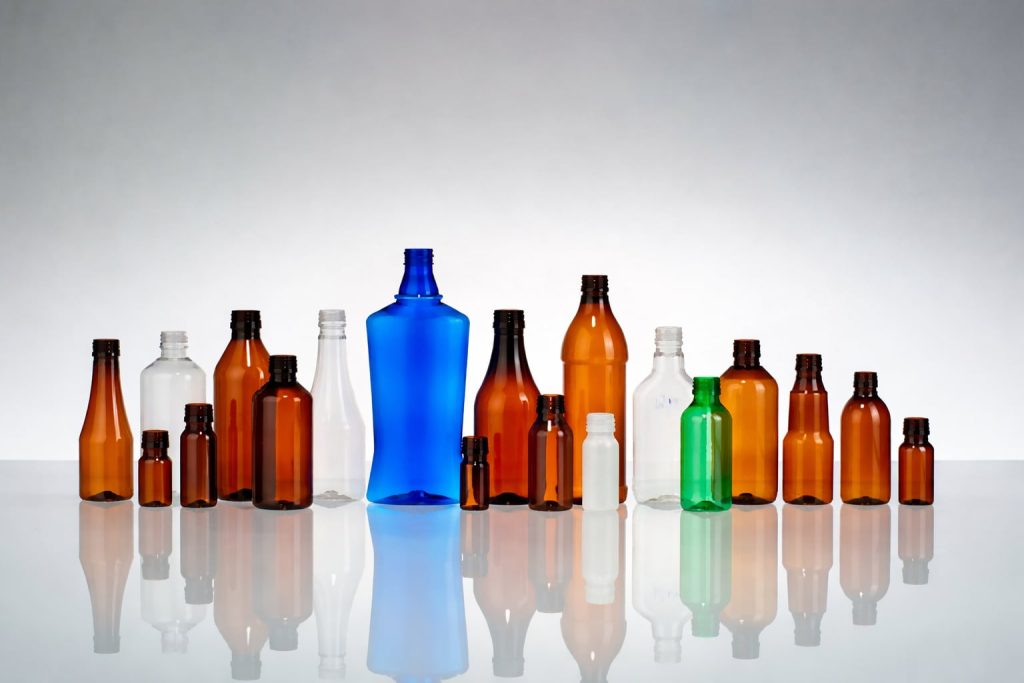
But here is the challenge. With over 5,000 plastic manufacturing units in the country, how do you filter the noise? How do you distinguish between a small backyard molder and an ISO-certified facility capable of exporting to Europe?
This guide breaks down everything you need to know about the industry, the materials, the top players, and how to source the perfect packaging for your product.
The State of the Plastic Industry in Bangladesh
Let’s look at the numbers because they tell a compelling story. The domestic market size for plastic products in Bangladesh is currently valued at nearly $3 billion. A significant chunk of this is rigid packaging—specifically bottles and containers.
Why the boom? It comes down to domestic consumption and export readiness.
- Domestic Demand: With a population of over 170 million, the demand for pharmaceuticals, beverages, edible oils, and personal care products is skyrocketing. Every shampoo, medicine syrup, and water liter needs a bottle.
- Export Potential: Bangladesh is aggressively targeting the export market to reduce reliance on garments. Plastic manufacturers are investing in European machinery (from Germany and Italy) to meet international quality standards.
If you are looking for high-volume production with competitive conversion costs, Bangladesh is currently in the “Goldilocks zone”—mature enough to offer quality, but still affordable enough to improve your bottom line.
Understanding Plastic Types: Which Resin Do You Need?
Before you pick up the phone to call a manufacturer, you need to know exactly what you are asking for. Not all plastic is created equal. Most top-tier manufacturers in Bangladesh specialize in four main polymers.
1. Polyethylene Terephthalate (PET)
PET is the industry standard for clear packaging. If your product line includes drinking water, carbonated soft drinks (CSD), or edible oils, PET is the ideal resin for your needs. Its unique properties make it the primary choice for brands that require both high visibility and structural integrity for liquid products.
- Pros: Crystal clear transparency, lightweight, shatterproof, and excellent barrier properties against oxygen and carbon dioxide.
- Usage: Mineral water, juices, pharmaceutical syrups, agro-chemicals.
- Manufacturing Process: Typically uses Injection Stretch Blow Molding (ISBM).
2. High-Density Polyethylene (HDPE)
HDPE serves as the reliable workhorse of the global packaging industry. It is known for its opaque appearance and rigid structure, making it incredibly tough and durable for heavy-duty applications.
- Pros: High chemical resistance, withstands higher temperatures than PET, and is very impact-resistant.
- Usage: Shampoo bottles, detergent containers, lubricant oil jerry cans, pharmaceutical jars.
- Manufacturing Process: Extrusion Blow Molding (EBM).
3. Low-Density Polyethylene (LDPE)
If you need flexibility, you need LDPE.
- Pros: Squeezable and soft. It doesn’t crack when deformed.
- Usage: Eye dropper bottles, honey squeeze bottles, mustard or sauce containers.
4. Polypropylene (PP)
PP is often used for caps and closures, but it’s also used for bottles that need to be hot-filled.
- Pros: High heat resistance (can be autoclaved/sterilized), good chemical resistance.
- Usage: Hot-fill beverage bottles, pharmaceutical containers, feeding bottles.
The Manufacturing Process: Injection vs. Blow Molding
Understanding the technology behind a process can significantly improve your ability to negotiate effectively. For example, when engaging with a plastic bottle manufacturer in Bangladesh, they are likely to reference specific types of machinery used in their production process. Being familiar with these machines and their functions not only helps you follow the conversation more confidently but also enables you to ask informed questions or identify potential areas for cost-saving improvements. This knowledge can give you an edge in discussions, showing that you understand the technical aspects of their operations.
- Injection Molding: This is used primarily for making the “preform” (the test-tube-shaped piece of plastic that later becomes a bottle) or the cap.
- Blow Molding: This is where the magic happens. Air is blown into the heated plastic to expand it into the mold shape.
Pro Tip: Ask your manufacturer if they use “Single Stage” or “Two Stage” machines.
- Single Stage: The resin becomes a bottle in one machine. Better for specialty shapes and cosmetic finishes (no scratches).
- Two Stage: Preforms are made first, then blown later. Better for massive volume production like water bottles.
Top Plastic Bottle Manufacturers in Bangladesh
While there are thousands of small units, only a handful of conglomerates dominate the landscape with export-quality infrastructure. Here is a curated list of the market leaders you should consider.
1. Bengal Plastics Ltd.
Bengal Plastics stands as a true heavyweight in the manufacturing sector. Renowned for operating what is arguably the largest facility in the country, the company focuses heavily on export markets.
This export-oriented approach ensures that their production standards meet the rigorous demands of the international stage, solidifying their position as a leading force in the industry.
- Specialty: Huge capacity for garment accessories (hangers) but an equally massive division for rigid packaging (bottles/caps).
- Certifications: ISO 9001, SEDEX, WRAP.
- Best For: Large MNCs looking for global compliance and massive scale.
2. PRAN-RFL Group (RFL Plastics)
If you live in Bangladesh, you likely touch an RFL Plastics product at some point every single day. As the country’s largest household plastic manufacturer, their presence is felt in almost every home, reflecting their dominant position in the local consumer market.
- Specialty: They produce everything from PVC pipes to food containers. Their bottle division serves their own massive FMCG needs (PRAN Foods) and third-party clients.
- Best For: Food-grade packaging and incredible variety in HDPE/PET options.
3. Akij Plastics
As a key division of the well-established Akij Group, this company has built a strong reputation for excellence in the production of high-end food and beverage packaging solutions with akij plastics venture. They focus on delivering quality containers and wrapping that meet the rigorous standards required for premium consumer goods.
- Specialty: They have invested heavily in top-tier European machinery (Husky, Kraus Maffei).
- Technology: They are leaders in IML (In-Mold Labeling), where the label is fused into the plastic during molding, creating a premium look that doesn’t peel off.
- Best For: Premium food brands and dairy products.
4. Premiaflex Plastics
While Premiaflex Plastics is widely recognized for their expertise in flexible packaging, their rigid division is expanding rapidly to meet market demand. This growth allows them to apply their technical knowledge of plastic manufacturing to more structured, durable container formats.
- Specialty: High-barrier packaging and agro-chemical bottles.
- Best For: Clients needing a mix of flexible (pouches) and rigid (bottles) solutions from one vendor.
5. Dandy Dyeing & Plastic
As a true veteran in the industry, Dandy Dyeing & Plastic brings decades of specialized experience and established manufacturing techniques to the table. Over the years, they have built a reputation for reliability and deep technical expertise, making them a cornerstone of the local plastic production landscape.
- Specialty: Pharmaceutical packaging and smaller, precise containers.
- Best For: Pharma companies requiring strict hygiene standards.
How to Choose the Right Manufacturer
Listing the companies is the easy part. Choosing the right partner for your business is where it gets tricky. Do not just go for the cheapest quote. Here is the checklist you need to follow.
1. Verify the Machinery Origin
This may sound a bit technical, but it’s an important question to ask. When evaluating their equipment, take a moment to inquire: “Are your machines sourced from Chinese manufacturers or are they European or Japanese?”
Understanding the origin of their machines can give you valuable insight into the quality, precision, and reliability of the tools they’re using.
- European machines (Husky, Sidel) generally offer better wall thickness distribution. This means your bottle won’t have weak spots that crack during shipping.
- Chinese machines are improving and are cheaper, but consistency can sometimes vary.
2. Check the Mold Library vs. Custom Molds
One of the first questions you should ask is whether the manufacturer currently has a “stock mold” available for the specific bottle shape and size you are looking for. Using an existing mold can be a major advantage, but you need to weigh it against the benefits of creating something unique.
- Stock Mold: No upfront cost. You just buy the bottles. Great for startups.
- Custom Mold: You pay for the steel mold (which can cost $2,000 to $15,000 depending on complexity). You own the design.
- Advice: If you are just starting, ask for their catalog of existing molds to save capital.
3. Food Grade Certifications
If you are putting anything edible, drinkable, or pharmaceutical inside the bottle, you absolutely need verifiable proof of safety from the manufacturer. It’s non-negotiable for consumer health and your own liability.
- Look for FSSC 22000 or ISO 22000.
- Ask for a migration test report. This proves that chemicals from the plastic won’t “migrate” into your food.
4. Printing and Labeling Capabilities
A bare bottle is essentially a blank canvas that provides no value to your customers. To build brand recognition and communicate important product information, you need professional branding and high-quality labeling.
- Shrink Sleeve: The plastic film wraps around the bottle with heat. Most common in Bangladesh.
- Screen Printing: Ink is printed directly on the bottle. Good for simple designs.
- IML (In-Mold Labeling): The most premium option. Ask if they have robots for IML.
Pricing Factors, MOQs, and Lead Times
Now, let’s talk money. Why does the price per bottle seem to fluctuate so much between different suppliers or even from the same supplier over time? What are the key elements that contribute to the final cost you’ll be quoted?
The Resin Price Factor
Plastic is a petroleum by-product. The price of PET or HDPE resin is dictated by global crude oil prices and the dollar exchange rate. A plastic bottle manufacturer in Bangladesh usually imports resin from Thailand, Saudi Arabia, or China.
- Tip: If oil prices spike, expect your bottle price to go up. Negotiate a “resin pass-through” clause in your contract so you only pay the increase in raw material, not an arbitrary markup.
Minimum Order Quantity (MOQ)
This is the biggest barrier for small businesses.
- Small/Mid-sized factories: May accept orders of 5,000 to 10,000 pieces.
- Large conglomerates (Bengal/Akij): Usually require 50,000 to 100,000+ pieces per run.
- Why? It takes hours to change a mold on a machine. If they run the machine for only two hours for your small order, they lose money.
OEM and Private Label
Most manufacturers in Bangladesh are eager for OEM (Original Equipment Manufacturer) work. If you are a foreign brand, they will manufacture to your exact specs and put your label on it. This is often 30-40% cheaper than manufacturing in the US or EU due to lower labor and conversion costs.
Sustainability: The Elephant in the Room
The world is waging a war on plastic waste. How does Bangladesh fit into this?
Historically, waste management has been a challenge. However, the leading manufacturers are now pivoting toward circular economy models.
- rPET (Recycled PET): Major players are setting up recycling plants to turn used bottles back into resin.
- Lightweighting: Manufacturers are using better technology to use less plastic for the same strength bottle. A water bottle that weighed 18 grams five years ago now weighs 12 grams. This saves money and the environment.
If your brand values sustainability, ask suppliers if they can offer bottles with 20% or 50% recycled content.
Future Outlook: Why Source from Bangladesh Now?
The Bangladesh plastic sector is maturing. The government is setting up dedicated “Plastic Industrial Parks” to centralize production and waste management.
For international buyers, the “China Plus One” strategy is real. As companies move away from sole reliance on China, Bangladesh offers a stable, high-capacity alternative with deep experience in export compliance.
Conclusion
Finding the right plastic bottle manufacturer in Bangladesh isn’t just about Googling a phone number. It’s about matching your volume needs with their machine capacity. It’s about ensuring the resin quality matches your product’s chemical requirements. And ultimately, it’s about finding a partner who views packaging not as a commodity, but as the skin of your brand.
Whether you choose a giant like Bengal Plastics or a specialized player like Dandy, the capability is there. The machinery is world-class. The prices are competitive. The next step is yours—request those samples, audit those factories, and start your production run.
FAQs
What is the minimum order quantity (MOQ) for plastic bottles in Bangladesh?
For stock designs (molds the factory already owns), MOQs can be as low as 5,000 to 10,000 pieces. For custom molds or specific colors, expect MOQs of 50,000 to 100,000 pieces.
Can Bangladeshi manufacturers produce pharmaceutical-grade bottles?
Yes. Companies like Dandy Dyeing & Plastic and specialized divisions of major groups are certified to produce pharma-grade HDPE and PET bottles with strict hygiene protocols.
Do I need to pay for the mold?
If you want a unique shape that no one else has, yes. Mold costs range from $2,000 (Chinese mold) to $15,000+ (European mold). If you use a standard shape, there is no mold cost.
How long does it take to get a custom mold made?
Typically, it takes 30 to 45 days to design, fabricate, and test a new mold before mass production can begin.
Are biodegradable plastic bottles available in Bangladesh?
While the market is dominated by standard PET/HDPE, some forward-thinking manufacturers are experimenting with bio-based additives and biodegradable polymers, though this is still a niche and more expensive option.