“I have a business idea.”
As an entrepreneur, I hear that phrase a lot. And honestly?
Most ideas are pretty conventional. Another SaaS for project management. A new e-commerce store for eco-friendly products. A local coffee shop with a unique roast.
There’s nothing wrong with those ideas. They can be incredibly successful. But every so often, you hear an idea so bizarre, so out-of-left-field, that your first reaction is, “That will never work.”

And then it does. Spectacularly.
Think about it. Renting out an air mattress on your floor
Selling pet rocks? A phone shaped like a banana?
On paper, these sound like jokes, not viable businesses. Yet, Airbnb is now valued at over $100 billion, the Pet Rock made its creator a millionaire in the ’70s, and the Banana Phone has sold tens of thousands of units.
These weird business ideas aren’t just fascinating stories; they’re masterclasses in marketing, building branding, and understanding niche psychology. They prove that you don’t always need a revolutionary invention to build a multi-million dollar empire. Sometimes, all you need is a quirky idea, a deep understanding of a small audience, and the audacity to launch it.
In this post, we’re diving deep into the world of weird businesses that struck gold. We’ll explore the case studies, look at the revenue numbers, and extract the actionable lessons you can apply to your own entrepreneurial journey, no matter how strange your idea might seem.
What Makes a “Weird” Business Idea Successful?
Before we get to the examples, let’s break down the “why.” How do these seemingly absurd concepts gain traction and generate millions?
It’s rarely by accident. Successful weird businesses typically excel in one or more of these four areas:
- Taps into a Niche Emotion or Need: Many of these ideas solve a problem people didn’t know they had or cater to a very specific, often unspoken, desire. Think novelty, humor, nostalgia, or the need for a hyper-specific convenience.
- Masterful Viral Marketing: Weirdness is inherently shareable. These businesses often leverage word-of-mouth, social media, and PR by being so unusual that people can’t help but talk about them. A well-placed glitter bomb or a potato with a message is a story waiting to be told.
- Low Barrier to Entry and High-Profit Margins: Many of these ideas, like the Pet Rock or Potato Parcel, have incredibly low startup and production costs. This allows for high-profit margins and the ability to scale quickly once the idea catches fire.
- Excellent Branding and Storytelling: The most successful weird businesses don’t just sell a product; they sell an experience. They build a brand story that is as memorable and unique as the product itself. The packaging, the copy, and the mission all contribute to a compelling narrative.
Now, let’s look at the businesses that turned weird into wonderful.
Case Studies: 30 Weird Business Ideas That Made Millions
From simple gags that captured the public’s imagination to billion-dollar enterprises that redefined entire industries, here are 30 examples of unconventional ventures.
Each one serves as a powerful testament to the idea that creativity, when harnessed correctly, can be an incredibly profitable asset.
1. The Pet Rock: The Original Million-Dollar Gag
The Idea: Selling ordinary rocks, packaged in a cardboard box with air holes and a humorous “care and training” manual.
Founder’s Journey: In 1975, advertising executive Gary Dahl was listening to friends complain about their pets. He joked that he had the perfect pet: a rock. It didn’t need to be fed, walked, or groomed. That joke turned into a business. He sourced rocks for a penny each and created elaborate packaging.
Revenue: Dahl sold over 1.5 million Pet Rocks for $4 each, making him a millionaire in just six months. That’s equivalent to over $6 million in today’s money.
The Lesson: Packaging and positioning are everything. Dahl didn’t sell a rock; he sold a novelty, a laugh, and a solution to the “problem” of pet ownership. The genius was in the marketing, not the product itself.
2. Airbnb: From Air Mattress to Hospitality Giant
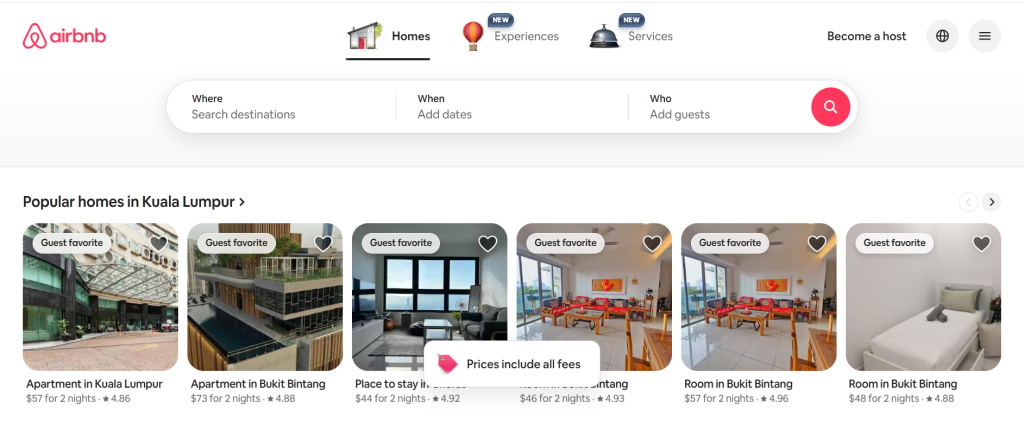
The Idea: Renting out an air mattress on the floor of your apartment to conference attendees when local hotels were sold out.
Founder’s Journey: In 2007, Brian Chesky and Joe Gebbia couldn’t afford their San Francisco rent. A design conference was coming to town, and all the hotels were booked. They threw a few air mattresses on their floor, made a simple website called “Airbed and Breakfast,” and charged $80 a night.
Revenue: Today, Airbnb is a global powerhouse with a market capitalization of over $100 billion.
The Lesson: Solve your own problem first. The best business ideas often come from a genuine need. Chesky and Gebbia weren’t trying to build a billion-dollar company; they were just trying to make rent. This authentic origin story helped them find their initial, passionate user base.
3. Crocs: Turning “Ugly” into a Fashion Statement
The Idea: Foam clogs originally designed for boating.
Founder’s Journey: Crocs were initially seen as a practical, comfortable shoe for specific activities. The company didn’t shy away from their “ugly” reputation; they embraced it. By focusing on comfort and functionality, they built a loyal following. Then came the masterstroke: collaborations with high-profile artists like Justin Bieber and Post Malone.
Revenue: Crocs has generated over $28 billion in lifetime sales.
The Lesson: Embrace your brand’s perceived weaknesses. Crocs turned “ugly” into its unique selling proposition. They leaned into what made them different, creating a cultural phenomenon that values comfort and individuality over traditional beauty standards.
4. Potato Parcel: Mail-a-Spud Messaging
The Idea: Sending anonymous, personalized messages written on a potato.
Founder’s Journey: Featured on Shark Tank, this idea seemed ridiculous. Who would pay to send a potato? But founder Alex Craig identified a market for novelty, gag gifts. The concept was simple, shareable, and hilarious.
Revenue: The business has generated over $5 million in sales.
The Lesson: Novelty is a powerful marketing tool. In a digital world, sending a physical, unexpected, and funny object stands out. Potato Parcel thrives on the “wow, this is a real thing?” factor, which drives social media shares and word-of-mouth growth.
5. Ship Your Enemies Glitter: The Prank That Sold for $85k
The Idea: Anonymously mail an envelope full of glitter to your enemies.
Founder’s Journey: Mathew Carpenter, a 22-year-old from Australia, launched the website as a joke. It went viral almost instantly. Overwhelmed by the demand and the mess, he put the site up for sale just 24 hours later.
Revenue: The website sold for $85,000 after being live for only a few days and generating over $20,000 in orders.
The Lesson: Sometimes a viral idea is more valuable as an asset to sell than a business to run. Carpenter recognized he didn’t want the operational headache. His genius was in capitalizing on the hype and selling to someone who was prepared to handle the logistics.
6. The Million Dollar Homepage: Selling Pixels for Profit
The Idea: A single webpage with a 1000×1000 pixel grid. Alex Tew, a 21-year-old student from England, sold pixels for $1 each to raise money for his university education.
Founder’s Journey: In 2005, Tew needed money for college. He launched the site with the simple premise: own a piece of internet history. The novelty and scarcity of the concept created a viral loop. As more brands bought pixels, the page became more valuable, attracting even more buyers.
Revenue: Tew sold all one million pixels, grossing $1,037,100 in just over four months.
The Lesson: Create artificial scarcity. By limiting the “real estate” to one million pixels, Tew created a sense of urgency. The simple, genius concept was easy to understand and share, making it a viral marketing marvel before “viral marketing” was a common term.
7. Doggles: Goggles for Dogs
The Idea: Protective and fashionable eyewear for dogs.
Founder’s Journey: Roni Di Lullo noticed her dog squinting in the sun. After trying to fit human sunglasses on her dog with little success, she decided to design a pair specifically for a canine’s head shape.
Revenue: Doggles now generates $3-5 million in annual revenue and is sold in over 16 countries.
The Lesson: Niche down, then niche down again. The pet market is huge, but “pet accessories” is broad. “Eyewear for dogs” is incredibly specific. By solving a unique problem for a passionate audience (dog lovers), Doggles created a category of its own.
8. Snuggie: The Blanket with Sleeves
The Idea: A fleece blanket with sleeves, allowing you to stay warm while keeping your hands free.
Founder’s Journey: The Snuggie wasn’t the first blanket with sleeves (the Slanket came first), but it perfected the marketing. Through relentless, cheesy late-night infomercials, the Snuggie became a cultural icon, ripe for parody and widespread adoption.
Revenue: Over 30 million units have been sold, generating over $500 million in revenue.
The Lesson: Marketing can beat being first. The Snuggie’s success wasn’t about the product’s uniqueness but its mass-market appeal, low price point, and unforgettable ad campaign.
9. iFart App: A Simple Sound, A Surprising Success
The Idea: A mobile app that plays various fart sounds.
Founder’s Journey: In the early days of the Apple App Store (2008), novelty was king. Joel Comm’s iFart app capitalized on simple, juvenile humor. It was a perfect storm of a new platform and a timeless gag.
Revenue: At its peak, the app was earning $10,000 per day, with total sales reaching nearly $1 million.
The Lesson: Timing and platform advantage are critical. Being one of the first novelty apps on a new, rapidly growing platform gave iFart an outsized advantage. The market is more saturated now, but the lesson of capitalizing on new platforms (like TikTok or new AI tools) remains.
10. Poo-Pourri: Before-You-Go Toilet Spray
The Idea: A spray that you spritz into the toilet bowl before you go, creating a film that traps odors.
Founder’s Journey: Suzy Batiz wanted to solve a common, embarrassing problem. The product itself was innovative, but the branding and marketing were pure genius. The viral video “Girls Don’t Poop” combined sophisticated humor with a direct, taboo-breaking message.
Revenue: The company was valued at $240 million in 2019 and has generated over $400 million in sales.
The Lesson: Use humor to tackle taboos. By addressing an uncomfortable topic with wit and style, Poo-Pourri made its product shareable and socially acceptable. They didn’t just sell a bathroom product; they sold confidence.
11. Tamagotchi: The Digital Pet
The Idea: A small, egg-shaped digital pet that you have to feed, clean, and care for.
Founder’s Journey: Launched by Bandai in 1996, the Tamagotchi tapped into the human desire for nurturing and responsibility, all in a tiny, portable package. It became a global craze and a defining toy of the 90s.
Revenue: Over 100 million units have been sold, with annual revenue figures in the billions during its peak. Total lifetime revenue is estimated at over $6.2 billion.
The Lesson: Gamify responsibility. The Tamagotchi created an emotional bond. The “risk” of your pet “dying” made users deeply engaged. This principle is now used in everything from fitness apps to language learning platforms.
12. Beanie Babies: Plush Toys as Collectibles
The Idea: Under-stuffed, posable plush toys.
Founder’s Journey: Ty Warner created Beanie Babies with a twist: he would “retire” certain characters, creating artificial scarcity. This turned a simple children’s toy into a speculative collector’s item.
Revenue: At the peak of the craze in the late 90s, sales reached over $1.4 billion in a single year. Total lifetime sales are well over $6 billion.
The Lesson: Scarcity drives demand. By retiring characters and limiting production, Ty Inc. fueled a collecting frenzy. People weren’t just buying a toy; they were making an “investment.”
13. Santa Mail: Personalized Letters from the North Pole
The Idea: A service that sends children personalized, “authentic” letters from Santa Claus, postmarked from North Pole, Alaska.
Founder’s Journey: Capitalizing on a timeless childhood tradition, this business offers parents a way to add a layer of magic to Christmas.
Revenue: This seasonal business generates $5-10 million each holiday season.
The Lesson: Monetize an existing tradition. Find a beloved cultural practice and offer a service that enhances it or makes it more convenient for people.
14. Professional Cuddling Services
The Idea: A non-sexual service providing platonic physical touch and companionship.
Founder’s Journey: As society becomes more digitally connected but physically isolated, services like Cuddle Party have emerged to fill a fundamental human need for touch and connection in a safe, structured environment.
Revenue: Top professional cuddlers can earn $40,000 to $80,000 a year.
The Lesson: Identify and serve deep-seated human needs. Loneliness is a powerful and growing problem. This business addresses it directly in an unconventional but effective way.
15. Rent-A-Chicken
The Idea: Renting a kit with two egg-laying hens, a coop, and feed for a short period, allowing families to experience having fresh eggs without the long-term commitment.
Founder’s Journey: This idea appeals to the growing interest in urban farming and knowing where your food comes from. It’s an “experience” business as much as it is a food business.
Revenue: A single franchise can earn $30,000 to $100,000 per season.
The Lesson: Offer a “try before you buy” experience for a lifestyle. Many people are curious about a certain lifestyle (like homesteading) but are intimidated by the commitment. Rent-A-Chicken lowers the barrier to entry.
16. The Banana Phone
The Idea: A Bluetooth handset shaped like a banana that connects to your smartphone.
Founder’s Journey: This is pure, unadulterated fun. It’s a novelty item that stands out and makes people smile. It gained fame through viral marketing and a successful crowdfunding campaign.
Revenue: The company has sold tens of thousands of units, ringing up significant sales from a simple, funny idea.
The Lesson: Don’t underestimate the power of fun. Products that are inherently joyful and shareable have a built-in marketing advantage.
17. Billy-Bob Teeth
The Idea: Novelty fake teeth designed to look comically unattractive.
Founder’s Journey: Created in 1994, these teeth became a staple in gag gifts and Halloween costumes. It’s a simple product with a clear, humorous purpose.
Revenue: The company has generated over $50 million in sales.
The Lesson: Dominate a niche within a larger market. Instead of competing in the broad “costume” market, Billy-Bob Teeth became the go-to product for a specific “look,” making it an easy add-on purchase.
18. Fidget Spinners: The Stress-Relief Toy Craze
The Idea: A simple, handheld spinning device marketed to relieve stress and improve focus.
Founder’s Journey: The Fidget Spinner craze of 2017 was a flash flood. It exploded in popularity, seemingly overnight, with kids and adults. While the original inventor didn’t profit due to a lapsed patent, the industry as a whole boomed.
Revenue: The market for fidget spinners was estimated to be worth over $3-5 billion at its peak.
The Lesson: Fads can be incredibly lucrative, but they are fleeting. Businesses that jumped on the trend quickly and had an efficient supply chain made a fortune. Those who were late to the party were left with unsold inventory.
19. Jones Soda
The Idea: A soda company known for unconventional flavors (like Turkey & Gravy) and user-submitted photos on its labels.
Founder’s Journey: Jones Soda set itself apart from giants like Coke and Pepsi by being counter-culture. They embraced weirdness and built a community around their brand, turning their customers into their label artists.
Revenue: The company has generated over $100 million in sales.
The Lesson: Build a community, not just a customer base. By involving their customers in the branding process, Jones Soda created a fiercely loyal following.
20. Skulls Unlimited
The Idea: A mail-order business selling real and replica animal and human skulls and skeletons.
Founder’s Journey: What started as a hobby for Jay Villemarette became a business supplying schools, museums, and private collectors. It serves a very specific, but dedicated, niche.
Revenue: The business brings in $3-5 million annually.
The Lesson: A niche hobby can become a serious business. If you are passionate and knowledgeable about a very specific field, chances are others are too. You can become the go-to supplier for that community.
More Weird/ Crazy Business Ideas and Wildly Successful
21. The Icehotel(Jukkasjärvi, Sweden)
Imagine staying in a hotel crafted entirely from ice and snow and a breathtaking structure that must be carefully designed and rebuilt every year as it melts away with the changing seasons. This temporary, one-of-a-kind experience draws thousands of curious and adventurous guests from around the world, eager to marvel at its artistry and enjoy its fleeting charm.
With a revenue of $1-2 million per season, this remarkable destination proves that even something as impermanent as ice can leave a lasting impression.
22. Flowbee (Haircutting Vacuum Attachment)
The Flowbee is a seemingly bizarre invention that merges the functionality of a vacuum cleaner with hair clippers, creating a unique system that allows people to give themselves haircuts at home. This unusual device became a cult classic, gaining significant traction through home shopping channels.
Its promise of a clean, easy haircut without the mess of traditional clippers resonated with enough people to build a dedicated following. Revenue: $2 million annually.
23. Antenna Balls (Car Decorations)
These brightly colored foam balls, often seen perched atop car antennas, had no practical purpose other than adding a dash of fun and personality to vehicles. Yet, they captivated the public’s imagination, exploding in popularity and becoming both a quirky pop culture icon and an effective promotional tool for businesses. Companies quickly adopted them for branding, printing logos or designs on the foam to use as inexpensive yet impactful marketing giveaways.
At their peak, these simple yet ingenious items generated impressive revenue, reaching an estimated $3-5 million, proving their surprising success in blending novelty with commercial appeal.
24. I Want to Draw a Cat for You (Custom Cat Drawings)
The business “I Want to Draw a Cat for You” was exactly what it sounded like: a man who offered to create custom, whimsical cat drawings for a small fee. This incredibly simple and personal service found a surprisingly large audience.
Its popularity skyrocketed after a memorable appearance on the TV show Shark Tank, which introduced the quirky concept to millions. This exposure transformed the humble art project into a legitimate six-figure business, generating over $200,000 in revenue.
25. Oppidum Luxury Bunkers (High-End Bunkers)
Designed to ease the fears of the ultra-wealthy, this company specializes in building ultra-luxurious, multi-million dollar underground shelters. These state-of-the-art bunkers are crafted to provide safety and security during apocalyptic scenarios, without sacrificing comfort or style. From high-end furnishings to advanced survival technology, every detail is tailored to meet the needs of those who can afford the ultimate peace of mind.
With an impressive annual revenue of $100-200 million, the company has established itself as a leader in catering to this exclusive market.
26. Big Mouth Billy Bass (The Singing Fish)
A novelty animatronic fish, mounted on a wooden plaque, that would burst into song specifically “Don’t Worry, Be Happy” with just the push of a button. This quirky invention quickly became an inescapable gag gift, finding its way into countless homes, offices, and even pop culture moments. Its mix of humor and absurdity turned it into a cultural icon synonymous with lighthearted fun.
The result? A staggering revenue of over $100 million, proving that even the simplest and most unexpected ideas can make a massive impact.
27. Craigslist (Online Classifieds)
What started as a humble email newsletter shared among friends to keep each other informed about local events gradually grew into the leading platform for online classifieds.
Despite its massive growth and widespread popularity, the platform has retained its iconic minimalist, no-frills design, which is both a hallmark of its identity and a key part of its appeal to users. With a loyal user base and a simple yet effective approach, the platform now generates over $1 billion in annual revenue, proving that simplicity can drive enormous success.
28. Dogtopia (Luxury Pet Hotels)
This business redefines pet care, offering luxury hotel and spa services for dogs that far surpass the basic accommodations of a typical kennel. Their services include specially designed playrooms where dogs can socialize and stay active, as well as wellness treatments tailored to ensure pets feel pampered and relaxed.
The franchise system has proven highly successful, generating an impressive revenue range of $1.9-2.6 billion, reflecting the growing demand for premium pet care experiences.
29. Smiley Face Merchandising
The iconic yellow smiley face, with its simple yet timeless graphic design, has become one of the most instantly recognizable symbols around the world. Over the years, it has been licensed for an almost endless array of products, from clothing and accessories to home decor and digital media, solidifying its place in global pop culture.
Its widespread appeal has translated into astounding commercial success, generating over $50 billion in lifetime merchandising revenue.
30. Chia Pet (Terracotta Figurines that Sprout)
These quirky and kitschy terracotta figurines, often crafted in the shapes of animals or popular characters, are designed to grow chia sprouts that resemble fur or hair. The unique concept has turned them into a household staple, loved for their charm and simplicity.
Over the years, they’ve also become a go-to gift item, perfect for adding a touch of fun to any space. With their enduring appeal, these figurines have generated impressive revenue exceeding $100 million.
What Can You Take Away From These Weird Ideas?
It’s easy to look at examples like singing fish and potato messages as nothing more than entertaining anomalies, flukes in the system that somehow found an audience. But dismissing them so quickly would be a mistake.
Beneath the quirky surface of every one of these seemingly strange ideas are powerful, fundamental business lessons that hold true for any entrepreneur, regardless of their industry.
- Don’t Dismiss “Dumb” Ideas Immediately: The line between “weird” and “visionary” is often just a matter of timing and execution. If you have an idea that makes people laugh, look closer. Laughter is a powerful emotion. Is there a real, perhaps hidden, need behind the joke?
- Marketing is Your Superpower: The Pet Rock was just a rock. The Snuggie was just a blanket with sleeves. What made them multi-million dollar successes was brilliant marketing that captured the public’s imagination. A great story can sell a mediocre product, but a bad story will kill a great one.
- Solve a Niche Problem Passionately: Doggles, Skulls Unlimited, and Rent-A-Chicken all cater to very specific audiences. But these audiences are passionate and underserved. Find a niche community, understand their unique pain points, and create a solution just for them. You don’t need to appeal to everyone to build a million-dollar business.
- Embrace the Power of Novelty and Virality: Weird ideas are shareable. In the age of social media, a product that makes people stop scrolling and say, “What is that?!” has a massive, free marketing advantage. Think about how you can build a “shareable moment” into your product or service.
- Look for Inconvenience and Discomfort: Poo-Pourri tackled bathroom odor. Professional cuddling addresses loneliness. These businesses aren’t afraid to step into uncomfortable spaces and offer a solution. What common, unspoken inconvenience can you solve?
The next time you have a business idea that seems a little strange, don’t throw it away. Interrogate it. Is it tapping into a real emotion? Can you build a great story around it?
Could it be the next Pet Rock or Airbnb?
After all, the weirdest idea might just be the one that changes your life.